
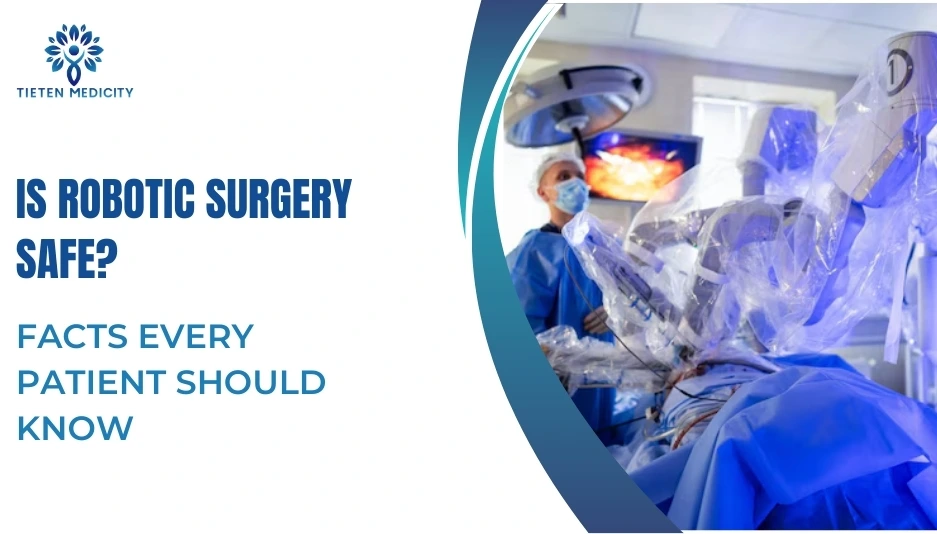
The impact of robotic surgery has been very positive on modern healthcare, as it has come along with benefits of high precision, very little invasiveness, and quick recovery time. By now, many hospitals are already utilizing robotic-assisted operations, which leads the patient to one sensible question: Is robotic surgery safe? The answer is a concise yes, provided that it is carried out by skilled surgeons in a well-equipped hospital. Let’s go over the truths that every patient should know before they decide to go for robotic surgery.
What Do We Mean by Robotic Surgery?
Robotic surgery or robotic-assisted surgery refers to a surgical technique in which the patient is operated on using robot systems but the entire procedure is still in the control of a skilled surgeon. The robot is not autonomous but the surgeon’s skilled hand movements are made highly precise through tiny surgical instruments by the robot. The application of this technology is quite diversified and it is widely used in areas such as urology, gynecology, general surgery, oncology, orthopedics, and minimally invasive procedures.
What Is the Safety Factor in Robotic Surgery?
Robotic surgery has become synonymous with safety, and it is backed by approvals from the major medical regulatory bodies worldwide including the FDA. In addition, various clinical studies have indicated that compared to traditional open surgeries, robotic-assisted operations tend to have fewer complications.
The safety factors include:
Benefits That Improve Patient Safety
Robotic surgery has multiple patient-focused benefits that directly impact the safety of the outcomes:
Less Blood Loss: The use of tiny incisions leads to less bleeding during the operation.
Lower Infection Risk: The limited exposure of tissues reduces the risk of post-operative infections occurring.
Reduced Pain: Patients have to deal with less pain and discomfort after the operation.
Faster Recovery: There are shorter hospitalizations and people get back to their usual activities quicker.
Greater Accuracy: This is particularly important for the intricate or sensitive procedures.
Are There Any Risks?
Infection, bleeding, or anesthesia-related complications are among the risks associated with robotic surgery like any other surgical procedure. However, the incidence of these complications is not higher than traditional surgery and is often lower when robotic systems are utilized appropriately.
The following are the three main factors that have a significant impact on safety:
Who Is an Ideal Candidate?
Not every single patient is suitable for robotic surgery. Your doctor will consider your disease, overall health and the complexity of the surgery when evaluating. Robotic surgery is generally useful for those patients who need very accurate methods or very invasive alternatives.
Final Thoughts
Nowadays, robotic surgery is a safe and established method that healthcare has obtained if the procedure is done by skilled doctors with advanced technological support. It provides benefits like accuracy, less difficulties, quick healing and better results of treatment for patients so it can be trusted as an option in many cases of surgery in reputable hospitals.
Dedicated to providing exceptional care with compassion and innovation. Our state-of-the-art facility offers a wide range of medical services and specialties to ensure the best outcomes for our patients. Committed to your health and well-being, we’re here to support you every step of the way.
© 2026, TIETEN MEDICITY. All Rights Reserved.
 Call Now!