Gallbladder Stones: Symptoms, Causes, and When Surgery Is Needed
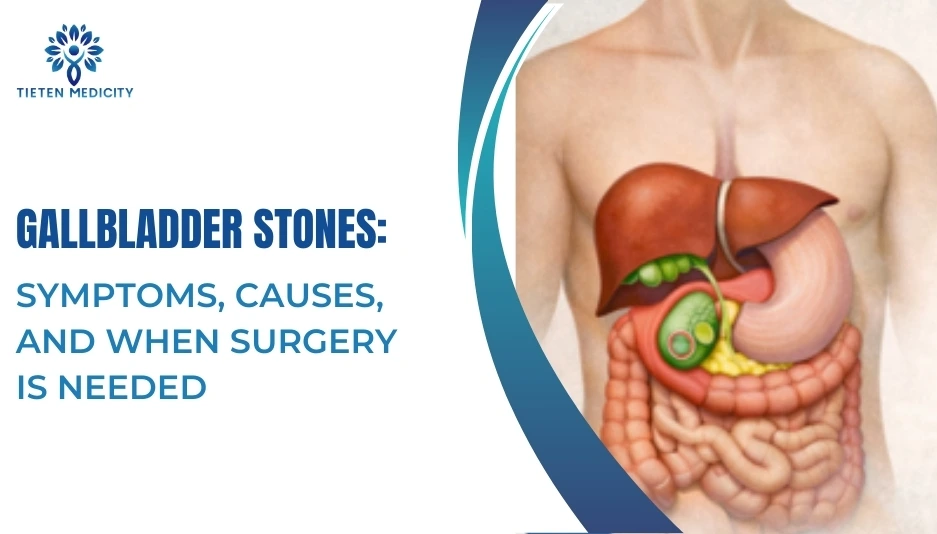
Gallbladder stones, commonly known as gallstones, are a frequent digestive health problem that affects many adults. These stones develop inside the gallbladder, a small organ located below the liver that stores bile to help digest fats. While some people may have gallstones without noticeable symptoms, others experience sudden abdominal pain and digestive discomfort.
Early diagnosis and proper treatment are important to prevent complications. Patients experiencing symptoms can seek gallbladder stone treatment in Thane at Tieten Medicity Hospital, where specialists provide accurate diagnosis and effective care.
What Are Gallbladder Stones?
Gallbladder stones are solid deposits that form in the gallbladder when substances in bile become imbalanced. Bile is a digestive fluid produced by the liver and stored in the gallbladder. It contains cholesterol, bile salts, and bilirubin. When these substances are not balanced properly, crystals may form and gradually turn into stones.
Gallstones can vary in size. Some are tiny like grains of sand, while others can grow larger over time. A person may have a single stone or multiple stones in the gallbladder.
There are two common types of gallstones:
Cholesterol Stones
These are the most common type and occur when bile contains too much cholesterol.
Pigment Stones
These stones form when there is excess bilirubin in bile, which may be related to liver disease or certain blood conditions.
Common Symptoms of Gallbladder Stones
Many people do not notice symptoms until a gallstone blocks a bile duct. When symptoms appear, they can cause sudden discomfort and pain.
Common symptoms include:
- Sudden pain in the upper right side of the abdomen
- Pain that spreads to the back or right shoulder
- Nausea and vomiting
- Bloating or indigestion
- Pain after eating fatty foods
- Fever or chills in some cases
This pain episode is often called a gallbladder attack and can last from several minutes to a few hours.
Causes and Risk Factors of Gallbladder Stones
Gallstones usually develop when bile contains excessive cholesterol or when the gallbladder does not empty properly. Several factors may increase the chances of developing gallstones.
Common causes include:
- Excess cholesterol in bile
- High levels of bilirubin
- Poor gallbladder emptying
- Highly concentrated bile
Risk factors include:
- Obesity or being overweight
- Rapid weight loss
- Diet high in fat or cholesterol
- Family history of gallstones
- Diabetes
- Pregnancy
- Age above 40 years
These factors increase the risk of gallstone formation, which is why lifestyle and dietary habits play an important role in prevention.
Possible Complications of Gallbladder Stones
If gallstones are not treated on time, they can cause serious complications. These complications usually occur when stones block the bile ducts or cause inflammation.
Possible complications include:
Gallbladder Inflammation (Cholecystitis)
This condition causes swelling and severe pain due to blockage of the gallbladder duct.
Bile Duct Blockage
Stones may block the bile ducts, which can lead to jaundice or infection.
Pancreatitis
Gallstones can block the pancreatic duct and cause inflammation of the pancreas.
Severe Infection
In rare situations, untreated gallstones may lead to serious infections that require urgent medical care.
For proper diagnosis and management, patients often consult specialists providing gallbladder stone treatment in Thane at Tieten Medicity Hospital.
When Is Surgery Needed for Gallbladder Stones?
Not all gallstones require surgery. Some individuals with silent gallstones may not need treatment if there are no symptoms. However, surgery becomes necessary when gallstones cause pain or complications.
Doctors may recommend gallbladder stone surgery in Thane when:
- Gallbladder attacks occur frequently
- Severe abdominal pain affects daily activities
- Infection or inflammation develops
- Stones block the bile ducts
- Gallstones cause pancreatitis
The most common procedure is laparoscopic gallbladder surgery, also known as laparoscopic cholecystectomy. This minimally invasive technique uses small incisions and typically allows quicker recovery. Many patients choose Tieten Medicity Hospital, where experienced specialists provide advanced surgical care.
Recovery After Gallbladder Surgery
Recovery after gallbladder surgery is usually smooth, especially with laparoscopic procedures. Most patients can return home within 24 hours and gradually resume normal activities within one to two weeks.
During recovery, doctors usually recommend:
- Eating light and low-fat meals initially
- Gradually returning to regular foods
- Avoiding heavy physical activity for a short time
- Staying active with gentle movement
After gallbladder removal, the liver continues producing bile, allowing the body to digest food normally.
How to Prevent Gallbladder Stones
Although gallstones cannot always be prevented, healthy lifestyle habits can significantly reduce the risk.
Helpful prevention tips include:
- Maintaining a healthy body weight
- Eating a balanced diet rich in fiber
- Limiting fatty and processed foods
- Exercising regularly
- Avoiding rapid weight loss
- Drinking enough water daily
Healthy eating habits and regular physical activity support overall digestive health.
When to See a Doctor
Medical attention is important if you experience symptoms that may indicate gallstones.
Consult a doctor if you notice:
- Severe abdominal pain that does not go away
- Pain after eating fatty meals
- Persistent nausea or vomiting
- Fever with abdominal pain
- Yellowing of the skin or eyes (jaundice)
If these symptoms occur, timely evaluation is important. Patients looking for the best gallbladder surgeon in Thane can consult specialists at Tieten Medicity Hospital for proper diagnosis and treatment.
Conclusion
Gallbladder stones are a common digestive condition that can cause pain and serious complications if ignored. While some people may not experience symptoms, others may develop repeated gallbladder attacks or infections. Recognizing the symptoms early and seeking proper medical care can prevent severe health problems.
For individuals experiencing symptoms, consulting specialists for gallbladder stone treatment in Thane at Tieten Medicity Hospital can help ensure accurate diagnosis, effective treatment, and safe recovery.
FAQ (Frequently Asked Questions)
1. What are the first signs of gallbladder stones?
Early signs of gallbladder stones may include sudden pain in the upper right abdomen, nausea, bloating, and discomfort after eating fatty foods. Some people may also experience pain that spreads to the back or right shoulder.
2. Can gallbladder stones go away without surgery?
Small gallstones that do not cause symptoms may not require immediate treatment. However, when stones cause pain, infection, or block the bile ducts, doctors may recommend gallbladder stone surgery in Thane at Tieten Medicity Hospital.
3. When is gallbladder surgery necessary?
Surgery is usually recommended when gallstones cause repeated abdominal pain, gallbladder inflammation, bile duct blockage, or complications such as pancreatitis. In such cases, removing the gallbladder helps prevent further health problems.
4. Is gallbladder stone surgery safe?
Yes, laparoscopic gallbladder surgery is considered a safe and commonly performed procedure. It involves small incisions, minimal pain, and faster recovery. Many patients choose gallbladder stone treatment in Thane at Tieten Medicity Hospital for advanced surgical care.
5. How long does recovery take after gallbladder surgery?
Most patients recover quickly after laparoscopic gallbladder surgery. Many can return home within 24 hours and resume normal activities within one to two weeks, depending on their overall health and doctor’s advice.
